I’m going to start this post with an apology for not taking more pictures. When it’s single digits or below outside, though, it’s too cold to be holding a camera.
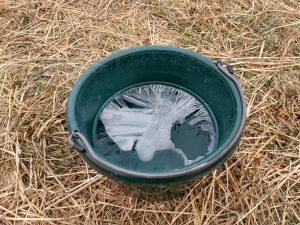
We are in the cold part of winter. The dark days between Christmas and the oncoming of spring. With temperatures during the day being below freezing and temperatures at night hitting close to zero, ice can be a big problem when trying to keep farm animals hydrated. So, what are the options?
First and foremost, I will highly recommend filling multiple buckets of water and keeping them inside a heated area, like a garage. If the water spigot freezes, either from water in the pipes or the handles are frozen shut, then you have a backup. It can, also, be really convenient in the morning when the temperatures are the lowest. I fill two buckets in the evenings and leave them in the garage so that my husband doesn’t have to stand outside waiting for a bucket to fill when he’s doing morning chores.
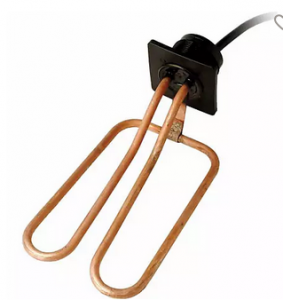
If using water heaters is an option, go for it! My father bought water tubs with a heating element in them and, come freezing temperatures, he just plugs the tubs into the outlet and never has to worry about frozen water when his cows are thirsty. There are tubs that come pre-made with heating elements, of every size you can think of, and you can make your own with an existing tub.
This is the typical type of heating element that I see used:
But not everyone has access to electricity, like us. Our barn has not been wired yet and the chickens and goats are moved often enough that getting them situated with a heating tub isn’t a convenient option. What do we do, then?
An oldie, but a goodie is the tried and true hammer technique. You simply take a hammer out with you, knock the ice out of the tub, and refill with new water as needed.
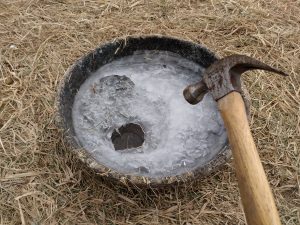
That is really easy with rubber tubs, like shown in the picture above. I do recommend scooping out the ice chunks once you’ve broken them apart. Sometimes, they float to the surface in a perfect formation to prevent animals from drinking. Or, you have a very picky goat who refuses to touch her nose to a chunk of ice if she’s wanting a drink (not that I blame her).
The hammer method also works with plastic buckets, but be careful. They are more easily chipped, cracked, and broken in the cold weather. The last problem you need with the roads are covered in snow and it is four in the morning is a water bucket no longer able to hold water.
If there is only a small layer of ice on top of the water, I use the hammer.
If enough ice has formed that it goes down the sides of the bucket, or the entire bucket is frozen solid, there are two options: Bring the bucket in to thaw before refilling or have a backup on hand. We used to bring the bucket in to thaw, sometimes running water on it to hurry the process. Unfortunately, during that time, it means the animals are not getting a drink. That is why I like the backup.
It is -3 outside and I’ve got some hot cocoa to make. Bundle up and bed the animals. These are the days to recover when not outside barreling through below zero temperatures and hauling fifty pound bales of hay to the cattle, to the goats, to the chickens, and one to the garage. Because I had to be the crazy wife that wanted a whole bunch of potted plants brought in during the fall.